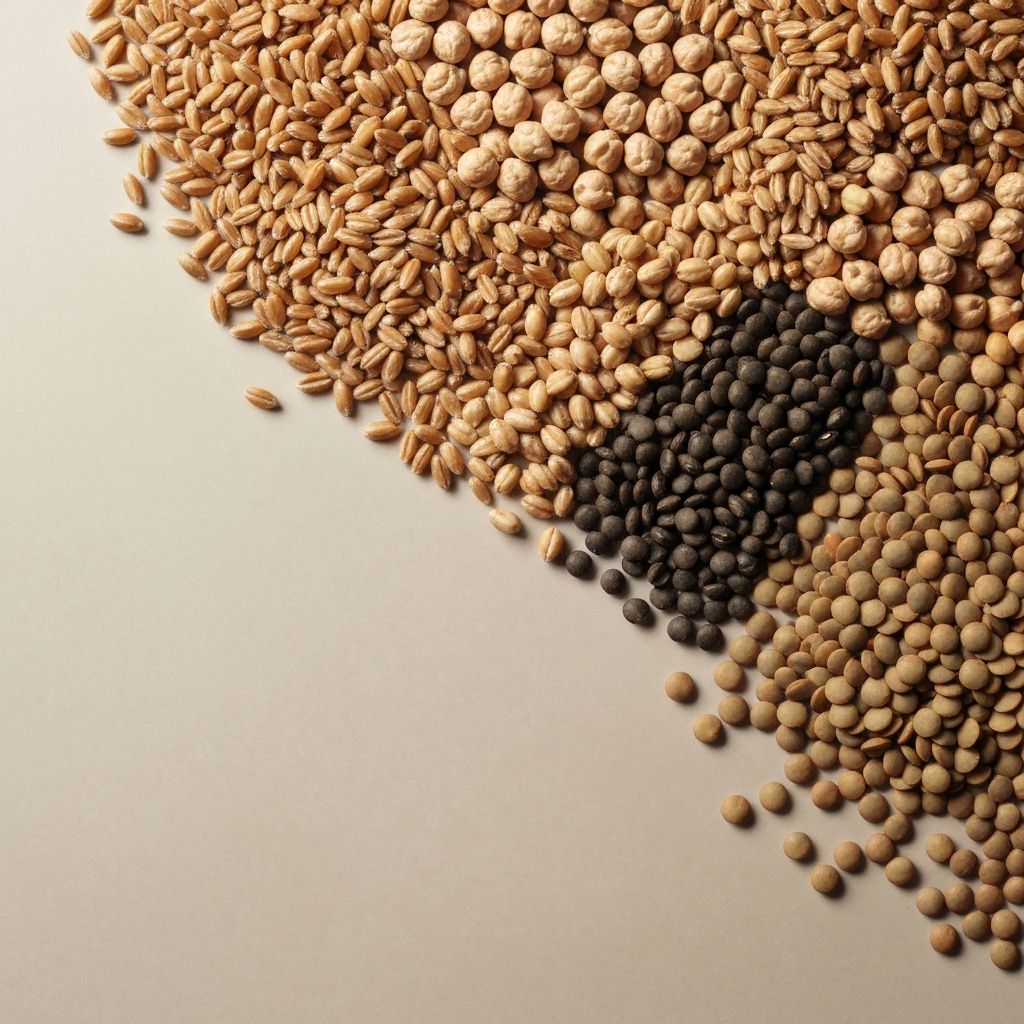
Comprehensive exploration of the three primary macronutrients and their essential roles in body function.
Carbohydrates, proteins, and fats are the three macronutrients that provide energy and building blocks for your body. Each plays distinct and essential roles in maintaining health and supporting bodily functions.
| Macronutrient | Primary Functions | Energy per Gram |
|---|---|---|
| Carbohydrates | Primary energy source, glucose for brain and muscles, fiber for digestive health | 4 calories |
| Proteins | Tissue repair and building, enzyme and hormone production, immune function | 4 calories |
| Fats | Cell structure, hormone production, vitamin absorption, energy storage | 9 calories |
Carbohydrates are broken down into glucose, which serves as the primary fuel for your brain, central nervous system, and muscles during intense exercise. Carbohydrates also provide satiety, regulate blood sugar levels, and support digestive health through fiber content.
Quality sources include whole grains (oats, brown rice, whole wheat), legumes (beans, lentils, chickpeas), vegetables, fruits, and tubers. These foods provide carbohydrates along with fiber, vitamins, and minerals.


Proteins are essential for building and repairing tissues, creating enzymes and hormones, supporting immune function, producing antibodies, and maintaining proper pH and fluid balance. Proteins also provide satiety, meaning they help you feel full.
Proteins are made up of amino acids. There are 20 amino acids, nine of which are "essential," meaning your body cannot produce them and must obtain them from food. Complete proteins contain all nine essential amino acids, while incomplete proteins lack one or more.
Sources include animal products (meat, fish, eggs, dairy), legumes (beans, lentils), nuts, seeds, and whole grains. Different sources provide different nutrient profiles alongside protein.
Protein needs vary based on factors such as age, activity level, health status, and body composition goals. General guidelines suggest adequate protein intake supports tissue maintenance and various bodily functions.
Fats are essential for cell membrane structure, producing hormones, absorbing fat-soluble vitamins (A, D, E, K), insulating organs, providing energy, and supporting brain function. Fats also provide satiety and flavor to foods.
Quality sources include olive oil, avocados, nuts, seeds, fatty fish (salmon, mackerel, sardines), and plant-based oils. These foods provide fats along with other beneficial compounds.
Some fatty acids are "essential," meaning your body cannot produce them and must obtain them from food. These include omega-3 and omega-6 fatty acids, found in sources such as fatty fish, flaxseeds, walnuts, and certain vegetable oils.
The optimal balance of macronutrients varies based on individual factors including activity level, health status, personal preferences, and cultural background. Different approaches to balancing macronutrients can support health, and what works well for one person may differ from what works for another.
This article explains the functions and roles of macronutrients in the body. It does not prescribe specific intake recommendations for individuals, as these vary widely based on personal circumstances. For personalized nutritional guidance, consult with registered dietitian-nutritionists or qualified healthcare professionals.